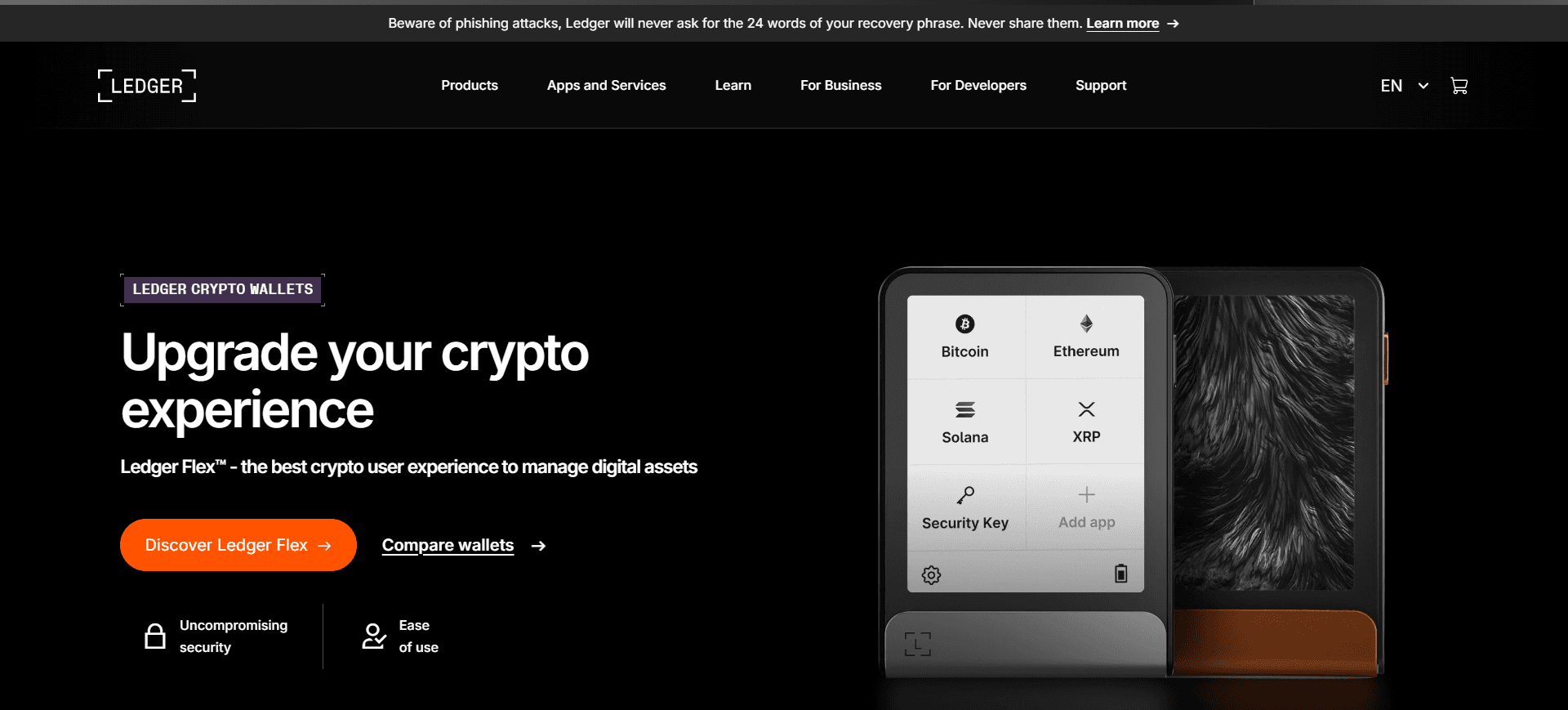
Ledger Login: Secure Access, Setup, and Best Practices
In the fast-expanding world of digital assets, security is the single most important factor for any crypto holder. While cryptocurrencies give individuals complete ownership of their wealth, they also demand responsibility—especially when it comes to login security, accessing wallets, and protecting private keys. For millions of users globally, Ledger hardware wallets provide one of the safest ways to store and manage crypto offline. But to fully access features, manage accounts, send transactions, and view your portfolio, you use Ledger Live, the official Ledger application.
Unlike traditional online platforms, there is no “Ledger login” in the typical username-and-password sense. Instead, Ledger uses a unique, ultra-secure method of authentication that involves your hardware device, PIN code, and recovery phrase. This creates a login system that is virtually impossible to hack remotely and eliminates the weaknesses of cloud-based login credentials.
This comprehensive 2025 guide will walk you through everything you need to know about Ledger login, including the process, security structure, setup steps, common issues, troubleshooting, safety tips, and best practices. Whether you are a beginner or a crypto expert, this guide will empower you with full knowledge of how Ledger login works and how to keep your assets protected.
1. What Does “Ledger Login” Really Mean?
When people refer to “Ledger login,” they usually mean accessing their crypto through:
Ledger Live desktop application
Ledger Live mobile app
Ledger hardware devices (Nano X, Nano S Plus, Stax)
However, unlike exchanges such as Binance, Coinbase, or Kraken, Ledger does not require:
Username
Password
Email
Mobile number
Instead, the Ledger login system functions through secure local authentication, which includes:
Connecting your Ledger device physically (USB/Bluetooth)
Entering your PIN on the hardware device itself
Unlocking Ledger Live, which reads the device locally
This means:
No cloud-based login credentials
No stored passwords
No remote access
No centralized account that can be hacked
Ledger login is essentially your secure offline access to your crypto.
2. How Ledger Login Works: The Security Architecture
Ledger is built on a foundation of hardware-based security. Here’s what happens during the login process:
2.1 Your Device Holds the Private Keys
Your Ledger hardware wallet stores your private keys inside a certified Secure Element chip—the same type used in passports and payment cards. The keys never leave the device, even during login.
2.2 Ledger Live Acts as a Viewer, Not a Wallet
Ledger Live connects to blockchains and displays your balances. It cannot access keys or sign transactions without your device.
2.3 PIN Code = First Layer of Login Security
Your Ledger PIN functions as your login password.
If someone steals your device but doesn’t know the PIN, it becomes useless. After multiple wrong attempts, the device automatically wipes itself.
2.4 Recovery Phrase = Master Access
Your 12-, 18-, or 24-word recovery phrase can restore your wallet if the device is lost.
It must NEVER be typed into Ledger Live or any website.
2.5 Physical Confirmation = Final Login Authentication
Every important action requires manual approval on your hardware wallet:
Logging in
Sending crypto
Using apps
Swapping tokens
Staking or DeFi actions
This prevents remote hacking completely.
Summary: Ledger Login Security Layers
LayerPurposePIN CodeUnlocks your device (local login)Recovery PhraseRestores your wallet (ultimate backup)On-device confirmationPrevents unauthorized actionsLedger LiveInterface to view portfolio
This login system is designed so no hacker can access your account remotely.
3. How to Login to Ledger Live (Desktop & Mobile)
⭐ Note: Ledger Live does NOT ask for your recovery phrase. If any website or app asks for it, it is a scam.
Below are official methods for logging in securely.
3.1 Ledger Login on Desktop
Follow these steps on Windows, MacOS, or Linux:
Step 1: Open Ledger Live
Launch the Ledger Live application from your computer.
Step 2: Connect Your Ledger Device
For Nano S Plus and Nano S → use USB cable
For Nano X and Stax → USB cable or Bluetooth
Step 3: Enter Your PIN Code on the Device
This unlocks your Ledger hardware wallet.
Step 4: Open Your Crypto App
For example:
Bitcoin app for BTC
Ethereum app for ETH
Solana app for SOL
Step 5: Ledger Live Authenticates the Device
Ledger Live verifies the authenticity of your device through the “Genuine Check.”
Once authenticated, you are logged in and can:
View portfolio
Add accounts
Send/receive crypto
Stake tokens
Swap assets
Connect to DeFi apps
3.2 Ledger Login on Mobile
Ledger Live is available on both Android and iOS.
Step 1: Install Ledger Live From Official Store
Only download from:
Google Play Store
Apple App Store
Never download APK files from other websites.
Step 2: Turn on Bluetooth
Nano X and Ledger Stax login works smoothly over Bluetooth.
Step 3: Pair Your Device
Ledger Live will prompt you to pair your Ledger device.
Step 4: Enter PIN on the Hardware Device
You must unlock your hardware wallet physically.
Step 5: Access Your Portfolio
Once connected, you’re logged in.
4. Ledger Login with Ledger Stax (2025 Update)
The new Ledger Stax brings enhanced login features:
Curved E-Ink display
Wireless charging
Improved Bluetooth connectivity
Touchscreen PIN entry
Enhanced ease-of-use
The login process remains the same—PIN unlock + physical confirmation—but the interface is smoother and more intuitive.
5. Common Ledger Login Problems and Solutions
Even though Ledger login is extremely reliable, some users may face issues. Here is a detailed troubleshooting guide.
5.1 Ledger Live Not Detecting Device
Solutions:
Use the original USB cable
Try a different USB port
Update Ledger Live
Restart your device
Disable other cryptocurrency apps running in background
Make sure your Ledger device is unlocked
5.2 Bluetooth Login Not Working (Mobile / Nano X / Stax)
Try these steps:
Turn Bluetooth OFF and ON
Ensure device is not paired with another phone
Clear Bluetooth cache
Restart Ledger device
Keep Ledger close to your phone
5.3 Wrong PIN Entered
Ledger allows a limited number of attempts before automatic reset.
If you’re unsure:
Stop and verify carefully
Find your recovery phrase
If wiped, restore the device using recovery phrase
5.4 Ledger Live Freezing During Login
Possible reasons:
Outdated Ledger Live version
Corrupted installation
System conflict
Insufficient permissions
Fix:
Reinstall Ledger Live
Run as administrator
Update OS
Try another computer
5.5 Ledger Device Stuck on “Processing…”
Solution:
Disconnect USB
Restart device
Update firmware via Ledger Live
6. Important Security Tips for Ledger Login
Ledger’s login system is robust, but user mistakes can still lead to losses. Follow these essential guidelines.
6.1 Never Enter Your Recovery Phrase Online
Ledger will never ask for:
Phrase
Seed words
Private keys
If a site asks for it, it’s a scam.
6.2 Bookmark Official Ledger URLs
Only use:
ledger.com
Ledger Live application
Official app stores
6.3 Beware of Fake Ledger Live Downloads
Do NOT download from:
Google search ads
Unknown links
Telegram channels
YouTube video descriptions
6.4 Avoid Using Ledger on Public Wi-Fi
Always use private, secure networks.
6.5 Enable Password Lock on Ledger Live
You can enable a local app lock to protect Ledger Live if your computer is shared.
6.6 Store Recovery Phrase Offline
Do not:
Take a picture
Store it in email
Keep it in cloud storage
Save in a password manager (unsafe for seeds)
Instead:
Write it on paper
Store in a steel backup
Keep in a safe or locked location
7. Understanding Ledger Login vs. Exchange Login
Many beginners misunderstand Ledger login because they compare it to exchange login systems.
Exchange Login
Requires username/password
Stores funds on centralized servers
Can be hacked
Only as secure as your password
Ledger Login
No online credentials
Private keys never leave your device
Not connected to cloud servers
Impossible to hack remotely
Full control of your assets
Ledger login is simply the most secure way to access crypto in the industry.
8. Ledger Login for Staking, NFTs & DeFi
Once logged in, Ledger Live allows you to access advanced features.
8.1 Staking
Stake many assets including:
ETH
SOL
DOT
ATOM
TRX
XTZ
ADA (through partners)
Rewards are claimed and stored securely via Ledger.
8.2 NFT Management
View and transfer NFTs on:
Ethereum
Polygon
Solana (via integrations)
Ledger ensures NFT transactions are safely authenticated.
8.3 DeFi Login via Ledger Connect
You can log in to Web3 platforms using:
WalletConnect
Browser extension (Ledger Extension)
This safely connects DeFi apps like:
Uniswap
PancakeSwap
Aave
Compound
Curve
Lido
OpenSea
All transactions must still be approved on your hardware device.
9. Why Ledger Login is the Most Secure in 2025
Here’s why Ledger’s login process remains unmatched:
✔ Hardware-based authentication
✔ No cloud logins to hack
✔ PIN protection
✔ Recovery phrase system
✔ Secure Element chip
✔ On-device confirmation
✔ Zero-knowledge architecture
✔ Open-source Ledger Live validation
✔ Multi-layer encryption
This makes Ledger login virtually immune to common attack vectors:
Phishing
SIM swapping
Password leaks
Remote hacking
Exchange collapses
You control your crypto fully—no one else.
10. Final Thoughts: The Future of Ledger Login
Ledger continues to upgrade its login experience for 2025 and beyond. With improvements such as:
Ledger Extension browser login
More efficient mobile login
Stronger Bluetooth connectivity
Advanced PIN protection
Touchscreen hardware devices
Enhanced DeFi authentication
Ledger aims to create the safest, most user-friendly login experience in the crypto industry.